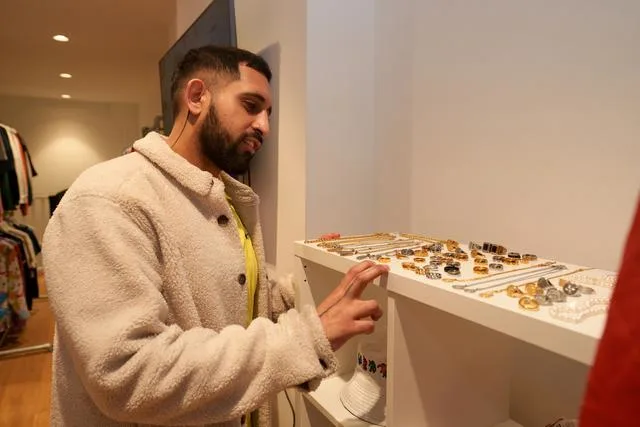
Buying jewelry is a thrilling experience. Whether you've saved up for that unique bracelet you've coveted from afar or maybe a loved one has given the go-ahead to choose a special piece for yourself.
Costume jewelry? A timeless classic? Whatever you’re after, why not buy something beautiful that looks good and doesn't leave an ugly mark on the environment or your fellow humans.
If you've decided to go for ethical jewelry, understanding where and how a piece is sourced is key. This means finding jewelry crafted by workers who are treated fairly and products made with the least environmental impact. Places like Ingle and Rhode and Brilliant Earth are a great starting point.
Having the facts upfront is essential. This comprehensive guide shows conscious consumers all they need to know about:
Different ways to shop for jewelry ethically and sustainably
What to consider when verifying ethical claims and authenticity
Why reading reviews are an essential part of a purchasing decision and the benefits of sharing your experiences
Read on to add some ethical and sustainable sparkle to your jewelry collection.
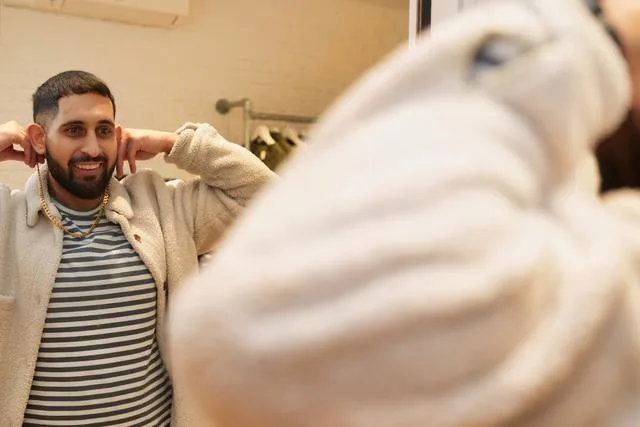
Humane and sustainable jewelry materials
Your responsibly sourced jewelry journey has begun! First, you’ll want to ensure what you're buying has been acquired or created using sustainable materials and ethical practices, and to do this you’ll need to research your options.
Ethically sourced diamonds
Traditionally symbols of love and commitment diamonds are now somewhat tainted by their association with civil unrest, worker exploitation, and environmental destruction.
Many of us want to make meaningful purchases and are demanding more from brands that sell jewels. We're on the hunt for ethical engagement rings and accessories crafted from non-exploitative diamonds like those from Blue Nile.
But what does this mean in practice? There are many issues to consider such as, what are the issues facing miners and what is the impact of mining on ecosystems?
Considerations for ethical diamond shopping
Diamond mining: to be certain you’re contributing to sustainable change, you need to know where your gem comes from. Diamonds are found deep beneath the earth (earth mines) and in riverbeds or ocean floors (alluvial beds).
Formal alluvial mining: large corporations like De Beers use this process and adhere to strict ethical and environmental standards.
Informal alluvial mining or artisanal mining: finished by hand in unsafe and unethical conditions by non-unionized workers (some as young as 5 years old). Alluvial mine workers often live in extreme poverty, earn less than a dollar a day and endure extremely dangerous situations. This type of mining is not only harmful to miners and their communities, it causes untold environmental damage.
To preserve the magical, symbolic appeal of diamonds, conscious consumer brands may use marketing terms like ''ethical diamonds'' to describe jewels touted to be mined without exploiting workers or the environment.
But it’s important to understand the specific language that means a brand is truly upholding sustainable jewelry practices.
Lab-created gems: the future of the ethical jewelry market
How can you ensure your diamond is 100% ethically sourced? Your best bet is a lab-created gem. No human rights violations, no ecological disruption. And they're 30-40% cheaper than mined diamonds. What's not to like?
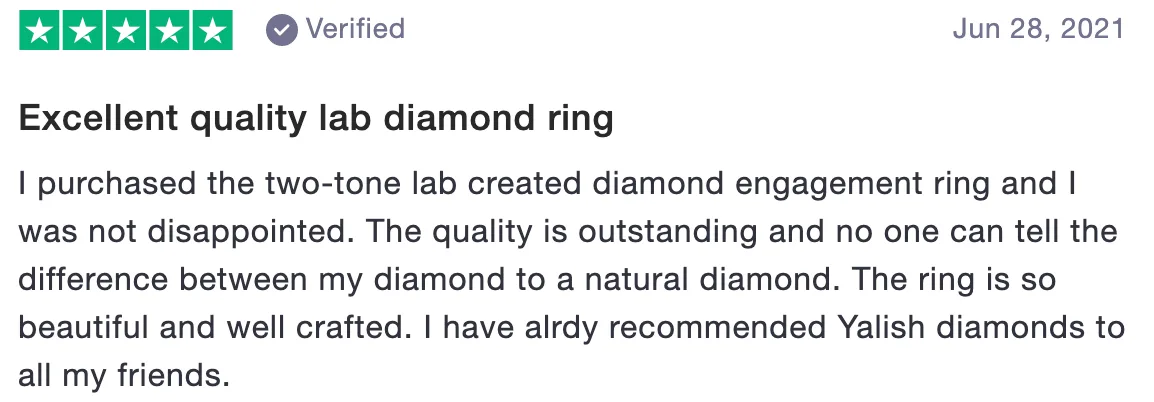
Lab diamonds like those from Yalilsh Diamonds and Agape Diamonds are produced using machines that copy the natural processes that allow these jewels to form in nature. With virtually no physical, or chemical differences between lab and mined diamonds, it’s a no brainer in the search for ethical sourcing methods.
Conflict-free: diamonds that haven't financed civil wars. The Kimberley Process is a certification set up to prevent the sale of rough diamonds used by rebel movements. However, be discerning when relying on certifications as there are some criticisms of this process.
Origin: where a diamond is mined. It’s unlikely that retailers can trace their diamonds back to their original source as they pass through many hands along the supply chain. Try looking for jewelry manufacturers like Shimansky who are licensed to buy diamonds directly from mines.
Provenance: is a diamond's last destination before it lands on your wrist, ear, finger (or anywhere else!). This doesn't mean it’s the only stop though, where the company obtained the diamond and where it’s been can be harder to determine.
In short. Research, research, research! Don't take marketing buzzwords at face value.
Diamond alternatives with a smaller footprint
Why not try a gemstone with less of an ecological footprint than diamonds? Calling all sapphire lovers! An absolute stunner of the stone world, the sapphire brings class and sophisticationto the table and is more ethical than some of its sparkly friends.
Sapphires tend to come from small, independently-run mines and are easier to trace back to their source than diamonds. White sapphires are a fabulous alternative to a diamond ethical engagement ring.
Metal sourcing
All precious metals like silver, platinum, and gold are limited natural resources. The life of a metal mine ranges from a year to decades or more. After a mine has fulfilled its purpose, restoring it is not simple. Left abandoned, these mines can damage nearby ecosystems and risk the health of local communities.
Types of sustainable jewelry metals
Fairtrade: the independently certified and audited fairtrade system for gold and other precious metals.
Fairmined: provides certification to artisanal, small scale gold mining organizations that have reached standard requirements.
Recycled metals: you can choose to source 100% recycled metals, made from second-generation recycled materials. Ask your supplier where their metals come from and for certifications to prove it.
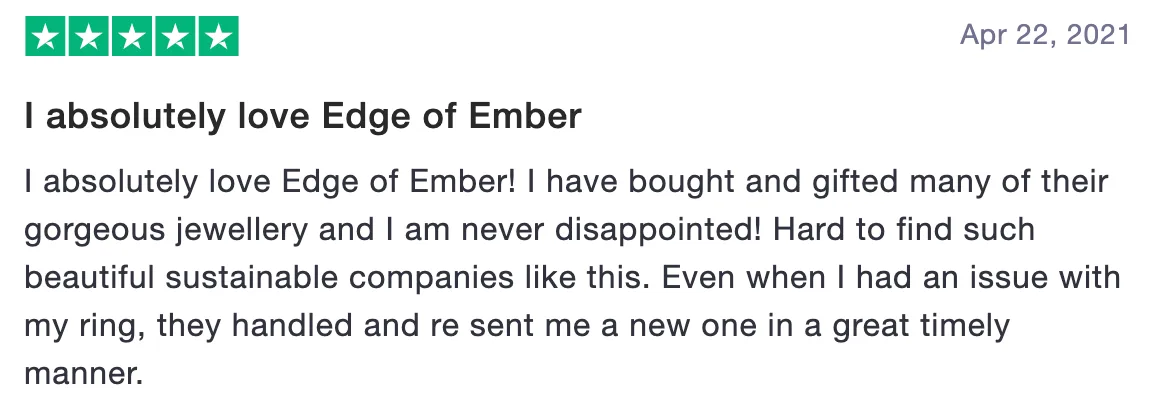
Think about choosing traceable and responsibly sourced metals like those at Edge of Ember and Anuka UK to affect positive change.
Ethical and sustainable jewelry certifications
We’ve covered fairtrade and fairmined, let’s look at what other certifications and organizations jewelry brands can adopt or join to show ethical commitment.
The Kimberley Process: an international certification scheme that regulates the trade of rough diamonds.
Responsible Jewellery Council: the world’s leading standard-setting organization for the jewellery and watch industry.
Institute for Responsible Mining Assurance (IRMA): verifies the performance of mine sites and shares results publicly.
B Corps: businesses certified by B Corporations meet the highest standards of proven social and environmental performance.
Alliance for Responsible Mining (ARM): a global initiative to transform artisanal and small-scale mining (MAPE). The main aim is to improve the quality of life for artisanal miners and their environment.
CIBJO (worldwide): the international agency for diamonds, jewels, silvers, stones and pearls.
Responsible Jewellery Council (UK): independently audits members via their own codes of practice.
Fair Luxury (UK): a collaboration of jewellery industry changemakers with a vision for a responsible and sustainable future.
Check brand websites to see if they are affiliated with any of these organizations or certifications before purchasing.
Finally...buy quality for longevity
You get what you pay for! Once you’ve found a brand or jeweler who works with sustainable and ethical materials, invest in a high-quality classic, tailor-made piece to wear on special occasions or every day. It will stand the test of time and hold its value. And you're more likely to cherish an item you love and pass it on through generations.
Go for solid instead of plated metals. Solid metals, especially gold, are easily sold or melted down to make new jewelry in the future if you want to mix things up and recycle!
Buy one unforgettable statement piece that will last forever rather than lots of smaller pieces – kinder on the environment and your wallet!
Vintage, antique, and repurposed jewelry is ethical and sustainable
Buying vintage is a wonderful way to find glorious gifts and treasures that have an interesting story and are ethically sound to boot. The terms vintage and antique cover recycled jewels from costume jewelry to timeless trinkets.The Duchess of Cambridge wears an ethical engagement ring, passed down through generations. So, if vintage is good enough for royalty, it’s good enough for you, right?
Fancy seeking out antique and vintage treasures? Here's what will help you keep up to speed with the professionals and their lingo: antique pieces are usually more than 100 years old and vintage means jewelry fashioned in a particular era — such as Art Deco, Victorian or Edwardian.
Read on for more tips on how to find your
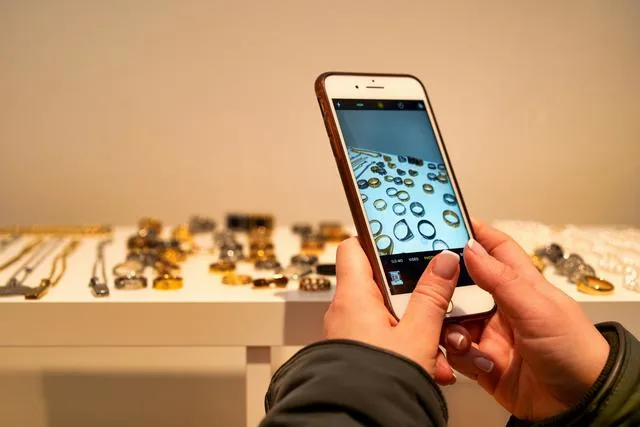
Where to find sustainable pre-loved jewelry?
There's nothing better than striking gold (!) and finding a rare beauty through a reputable dealer, auction house, estate sale, yard sale, or thrift store. The possibilities are endless. But where to start?
Antique dealers: finding quality adornments at antique dealers is a great option. From retro bling to Art Nouveau, you're bound to uncover a precious piece. Buy from a trusted dealer and don’t forget to do your research.
Estate sales: your best bet is to attend a sale run by family members rather than estate liquidation companies. Check your local newspaper's estate sale listings in your town and online listings.
Auction houses: Liz Taylor's jewels broke records at auction, amassing an astounding $116 million. To find your very own celeb accessory visit an on-location or online auction house. Study the catalogue beforehand, research the basics of jewelry and gemstones and stick to a budget.
Thrift stores and yard sales: costume jewelry and fine jewelry are on offer at thrift stores and yard sales. Take your time and be prepared to rummage through mountains of pieces to find that diamond in the rough.
Once again, research is vital before committing to any of these avenues. You can read reviews of places like The Antique Jewellery Company and Antique Jewellers Ltd on Trustpilot to see what experience other jewelry shoppers had when searching for a vintage treasure.
How to authenticate secondhand jewelry purchases
Unless you’re a gemologist it's difficult to determine the authenticity of any bling you find so you’ll want a reputable jeweler or antique dealer to help you figure out exactly how old a piece is and verify the materials it's made of.
Tips for making sure second second hand jewelry is legit
Figure out the style and era of the jewlery you’re purchasing
Research the manufacturing and craftsmanship methods of specific eras
Check for unique stamps and identity markings
Ask for certifications and guarantees from a seller
Choose a reputable source and check reviews
Whatever and wherever you buy, the seller must provide detailed information on background and authenticity. Deal with someone you trust with a top-notch reputation.
Repurpose antique or vintage jewelry
Why not remodel, upcycle, or repurpose sentimental or existing jewelry? Stay eco friendly and consider supporting artisans who reuse and reclaim their materials.
Give a ring a new lease of life as a bold statement necklace or transform an unused pair of earrings into a stylish ring. Gold and other precious metals can be melted down and made into vibrant new jewelry you'll be proud to wear.
Create exquisite custom designs and sustainable jewelry using stones you already have; that's one less stone mined from the earth.
Learn more about getting jewelry appraised in our guide.
Find made to order jewelry from small businesses
A quick online search will find independent designers who make custom pieces from scratch. From Pinterest to Instagram there’s a bunch of choices to keep any prospective buyer happy.
Search for hashtags like - custom jewelry, handmade jewelry or ethical jewelry and you might stumble across Evry Jewels. Or go old school and hit Google to find made to order jewelry collections such as The Last Line. Even mainstream brands that mass produce jewelry will probably have bespoke pieces to purchase.
Here are 10 questions to ask when choosing a jeweler to give you confidence in your decision.
Your purchases matter
Much jewelry can last a lifetime and evokes enduring memories of people we love and places we’ve been. Buying the right piece is important as is the legacy we leave behind. Whether that's repurposing family jewelry or splashing out on a timeless precious stone, we all need to play our part in sustainability. Let’s keep our fellow humans and beautiful planet safe for future generations.
The most crucial thing to remember is - do your research. Choose brands, sellers and suppliers that align with your values and are transparent from the get-go.
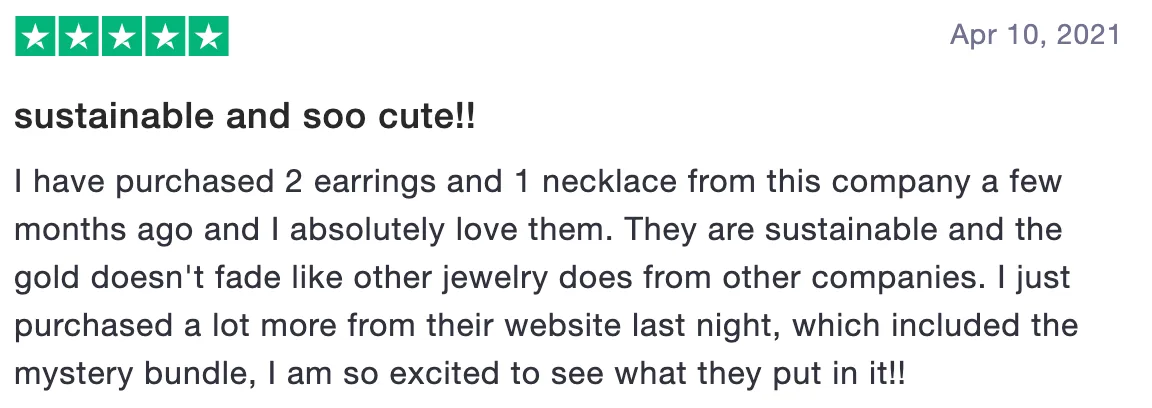
If you’ve found the ethical accessory of your dreams, inspire others to shop for ethical and sustainable jewelry and leave a review on Trustpilot.